
 Business License

Bone Ash for Ceramics: Specifications, Selection, and Sourcing Guide
A single batch of off-spec bone ash can ruin an entire production run of bone china. The ceramic body cracks, the translucency disappears, and the kiln schedule you trusted for years suddenly produces seconds instead of firsts.
If you source bone ash for ceramics, you already know the material is irreplaceable. Bone ash for ceramics gives bone china its signature strength, whiteness, and translucency. What is less obvious is how much the supplier matters. Chemical composition, calcination temperature, mesh size, and batch consistency separate a reliable raw material from a costly problem.
In this guide, you will learn the exact specifications to request from a bone ash supplier, how to choose between 325 mesh and 400 mesh powder, and how to evaluate manufacturers before you commit to a bulk order. We also explain how Feilong's 1300°C calcination process and 20 years of bone product manufacturing deliver the consistency ceramic buyers need.
Need ceramic-grade bone ash for testing? Request a free sample with full COA and evaluate Feilong bone ash in your own formulation.
What Is Bone Ash and Why Ceramics Depend on It
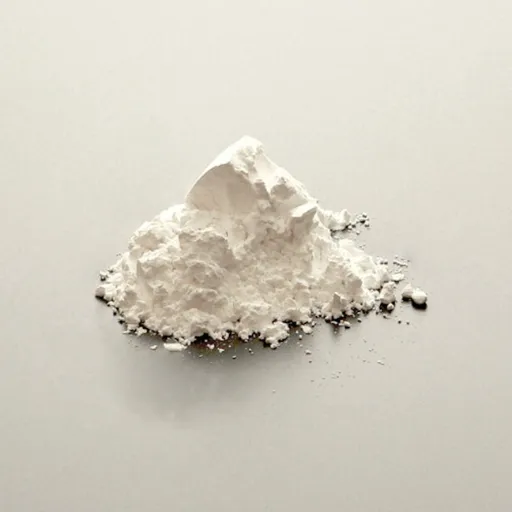
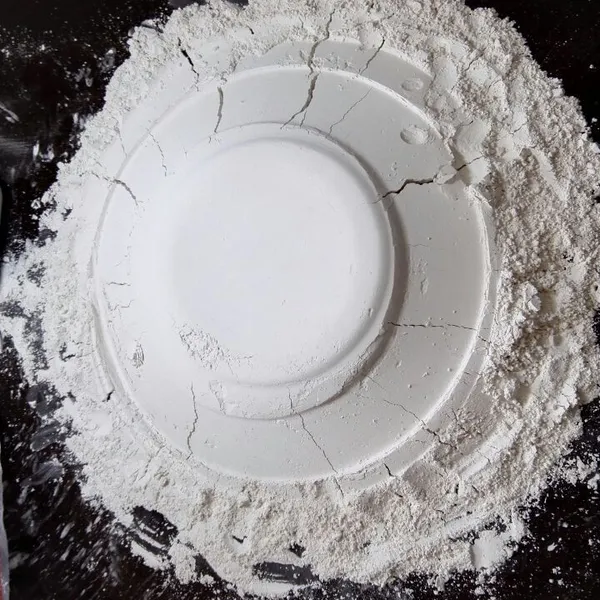
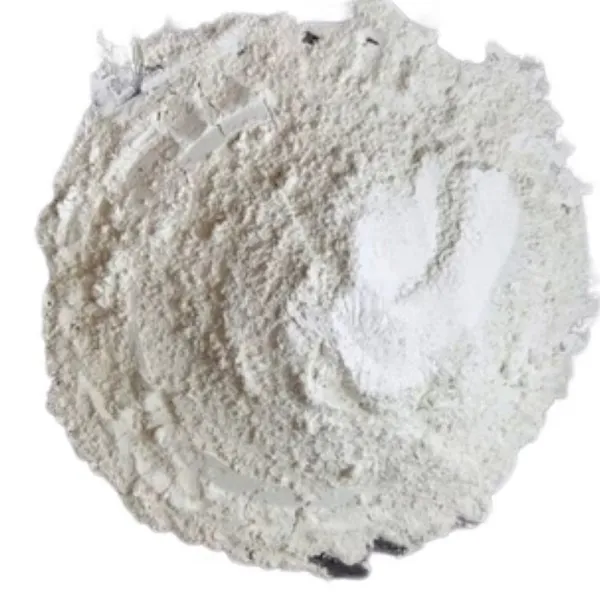
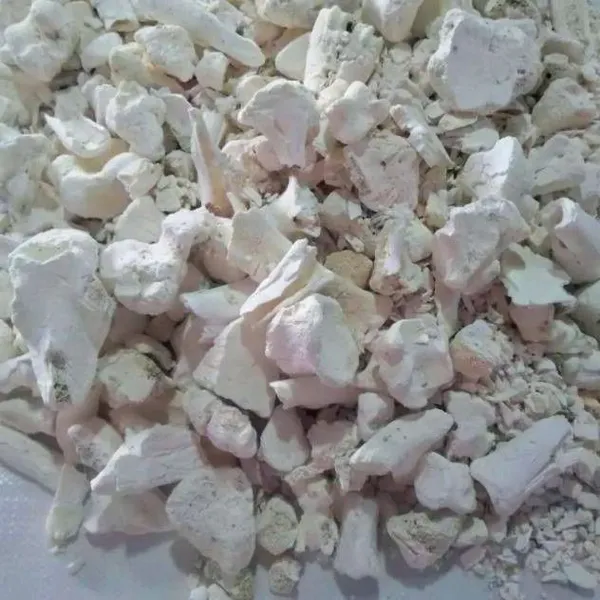
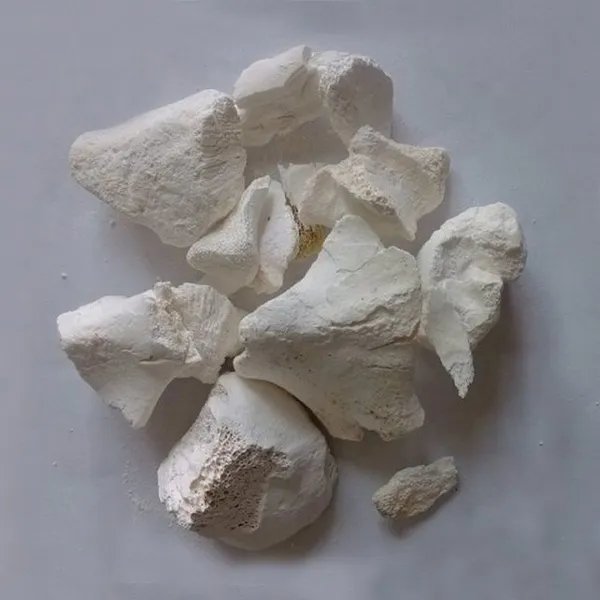
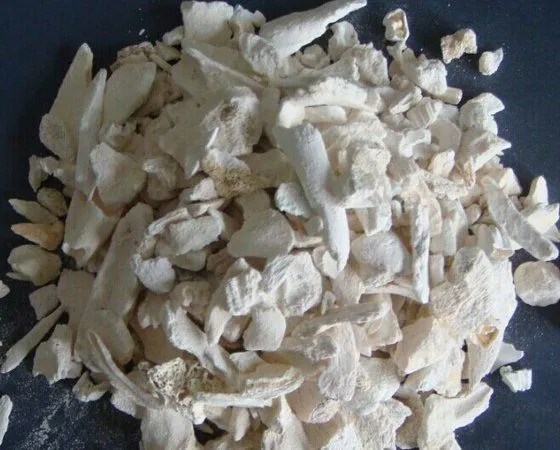
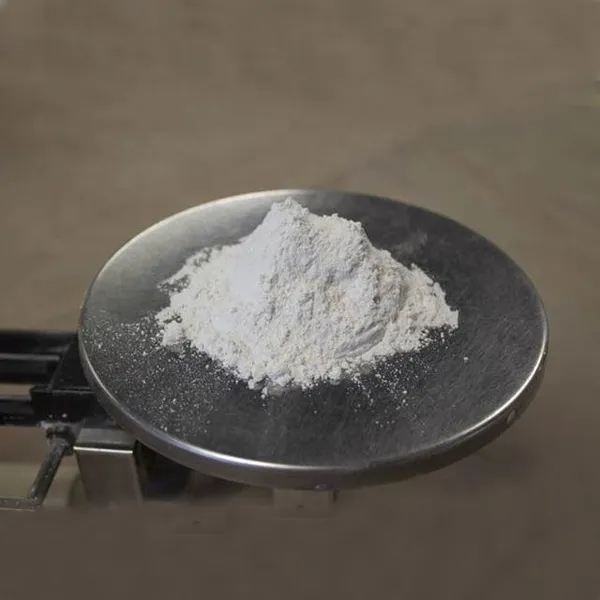
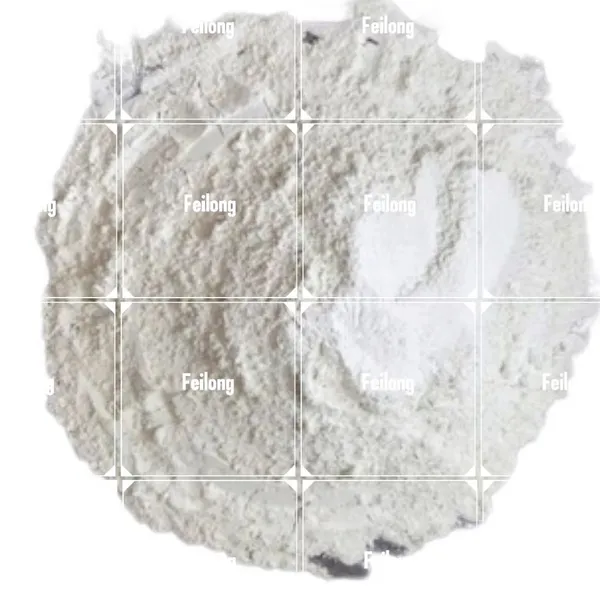
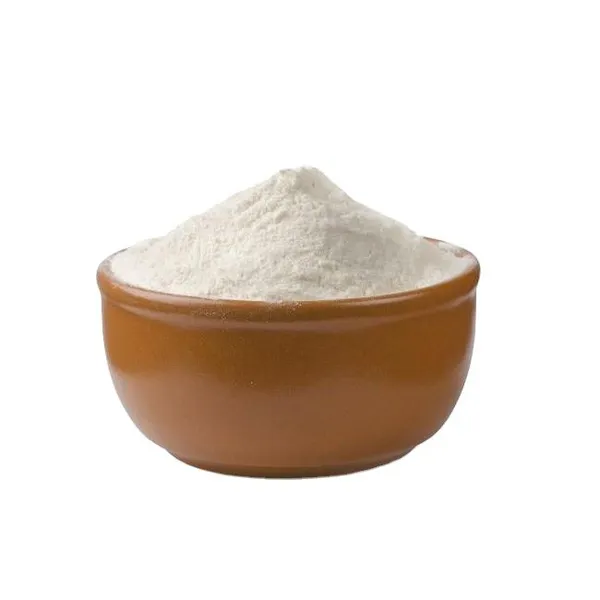
Bone ash is a white, crystalline powder produced by calcining defatted bovine bone at high temperature. For a broader overview, read our guide on what is bone ash or the general properties on Wikipedia. The process removes organic material and leaves a mineral composition dominated by calcium phosphate and calcium carbonate. In ceramics, this material is valued because it behaves differently from synthetic fillers.
When added to a ceramic body, bone ash:
Increases translucency in thin-walled ware
Improves mechanical strength after firing
Enhances whiteness without relying on optical brighteners
Helps the body mature at lower temperatures than traditional porcelain compositions
Bone china typically contains 40-50% bone ash by weight. This high loading makes bone ash the single most important bone china raw material in the recipe after clay and feldspar. A variation in calcium or phosphorus content shifts the entire firing curve.
The Difference Between Bone Ash and Bone Meal
Buyers sometimes confuse bone ash with bone meal, but the two materials serve different markets. Bone meal is produced at lower temperatures and retains protein and organic matter. It is used in agriculture and animal feed. Bone ash is fully calcined, chemically stable, and designed for industrial applications such as ceramics and metallurgical mold release.
If a supplier offers "bone powder" without clarifying whether it is calcined, ask for a Certificate of Analysis (COA). Ceramic production requires calcined bone ash with burning loss ≤1.0%.
Chemical Specifications That Matter for Ceramic Buyers
Not every white powder labeled "bone ash" performs the same in a ceramic body. The following specifications determine whether the material will produce consistent bone china or create quality problems downstream. These values align with the quality expectations ceramic manufacturers set for industrial raw materials.
| Specification | Typical Ceramic-Grade Value | Why It Matters |
|---|---|---|
| Calcium (Ca) | ≥35.0% | Primary mineral component; affects body maturity and translucency |
| Phosphorus (P) | ≥16.0% | Indicates calcium phosphate content; influences strength |
| Iron (Fe) | ≤0.05% | Prevents discoloration and gray spots in fired ware |
| Burning loss | ≤1.0% | Shows completeness of calcination; high values cause defects |
| pH | 9.0-11.5 | Affects slip stability and interaction with other body ingredients |
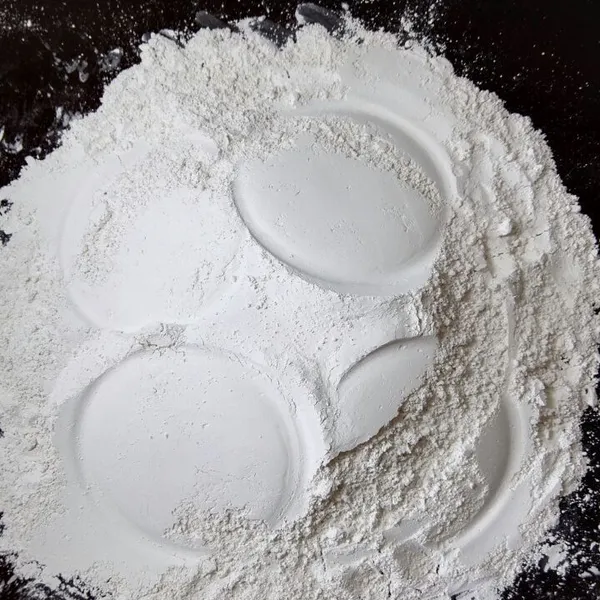
| Color | White crystals or powder | Visual indicator of purity and calcination quality |
Industry associations such as the British Ceramic Confederation emphasize the importance of consistent raw material quality for ceramic manufacturers who export to global markets. When Elena Marchetti, a procurement manager at a Portuguese porcelain manufacturer, switched to a lower-priced bone ash supplier in 2023, the COA looked acceptable on paper. After three months, her quality team noticed yellowing in thin-walled cups. Lab testing showed iron content at 0.12%, more than double the ceramic-grade limit. The supplier had blended material from multiple small workshops. Elena returned to a single-source manufacturer with documented batch testing. Her defect rate dropped back to under 2%.
This is why experienced buyers do not rely on a one-time COA. They review COAs across multiple batches and confirm that the supplier controls production rather than trading mixed material.
Why Ca and P Ratios Must Stay Stable
The calcium-to-phosphorus ratio in bone ash affects how the material interacts with feldspar and kaolin during firing. A consistent ratio means predictable maturation temperature, stable shrinkage, and repeatable translucency. Variations force production teams to adjust kiln schedules, glaze recipes, and forming parameters.
At Feilong, every batch of calcined bone ash is tested for calcium, phosphorus, iron, burning loss, and pH before release. The 1300°C calcination process and defatted bovine bone raw material keep the composition within the ranges ceramic manufacturers expect.
Mesh Size Selection for Bone China Production
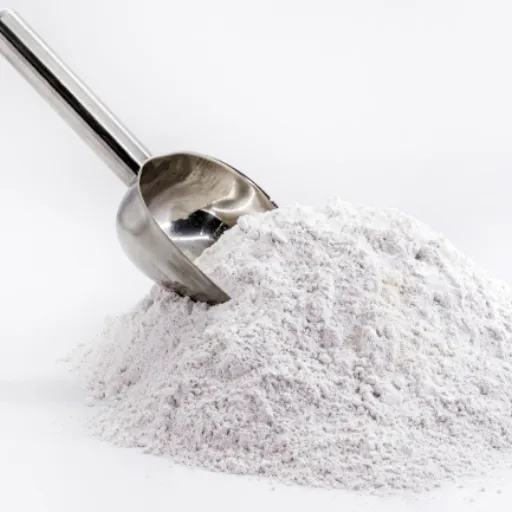
Particle size is the next major decision after chemical composition. Bone ash for ceramics is typically supplied as 325 mesh or 400 mesh powder. Choosing the right bone ash mesh size depends on your product type, forming method, and quality targets.
325 Mesh Bone Ash
325 mesh bone ash passes through a sieve with 325 openings per linear inch. The particle size is approximately 44 micrometers. This grade is the workhorse of bone china production.
Use 325 mesh when:
You produce standard bone china with 40-50% bone ash content
Your slip preparation system handles fine powders without excessive milling
Cost efficiency matters alongside quality
You need reliable, proven particle size for continuous production
400 Mesh Bone Ash
400 mesh bone ash is finer, with particles of approximately 37 micrometers. The smaller particle size increases surface area and can improve packing density in the ceramic body.
Use 400 mesh when:
You manufacture ultra-thin or high-translucency ware
Surface finish is critical
Your formulation can absorb the slightly higher water demand of finer powder
You are willing to pay a modest premium for specialized performance
David Chen, a production engineer at a bone china tableware factory in Guangdong, tested both grades in parallel during a 2024 product upgrade. His team found that 400 mesh improved translucency on plates under 3 mm thick but required a 4% increase in water content during slip preparation. For thicker hotelware, 325 mesh produced equivalent strength at lower cost. They now use 400 mesh for the fine-dinnerware line and 325 mesh for the standard range.
The lesson is practical: mesh size is not universally better or worse. It must match the product and process. Technical ceramics resources such as Digitalfire provide additional guidance on how particle size interacts with body formulation and firing behavior.
Particle Size Distribution Matters
Mesh size alone does not tell the full story. Two samples labeled "325 mesh" can perform differently if one has a narrow particle-size distribution and the other contains coarse tailings. Ask your supplier for particle-size distribution data, not just the nominal mesh size. A well-controlled bone ash powder should show a tight distribution around the nominal value.
How Feilong Produces Ceramic-Grade Bone Ash
Understanding the production process helps buyers evaluate whether a supplier can deliver consistent material. Feilong manufactures bone ash through a vertically integrated process in our Luohe, Henan Province facility.
Step 1: Raw Material Selection
Production starts with defatted bovine bone blocks. The defatting step is essential because residual fat discolors the final product and interferes with calcination. We source from regulated suppliers and inspect incoming material for fat content, odor, and foreign matter.
Step 2: High-Temperature Calcination
The prepared bone is calcined in controlled furnaces at approximately 1300°C. This temperature fully decomposes organic compounds and produces the white crystalline structure characteristic of ceramic-grade bone ash. Temperature control is monitored continuously; deviations are corrected before they affect batch chemistry.
Step 3: Grinding and Sizing
After calcination, the material is cooled and ground to the specified mesh size. Separate grinding lines prevent cross-contamination between 325 mesh and 400 mesh grades. Sieving and classification ensure the particle-size distribution meets internal standards.
Step 4: Quality Control and Packaging
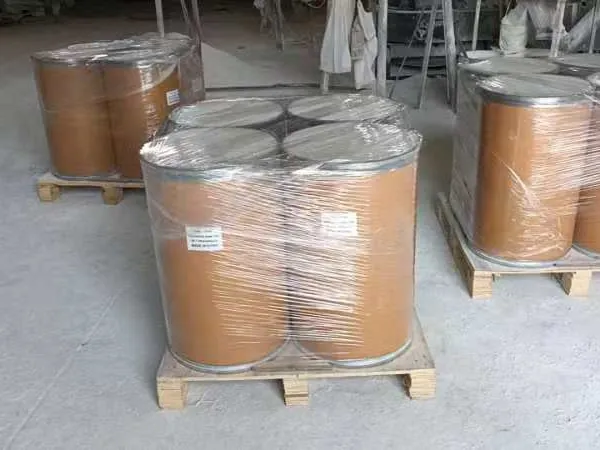
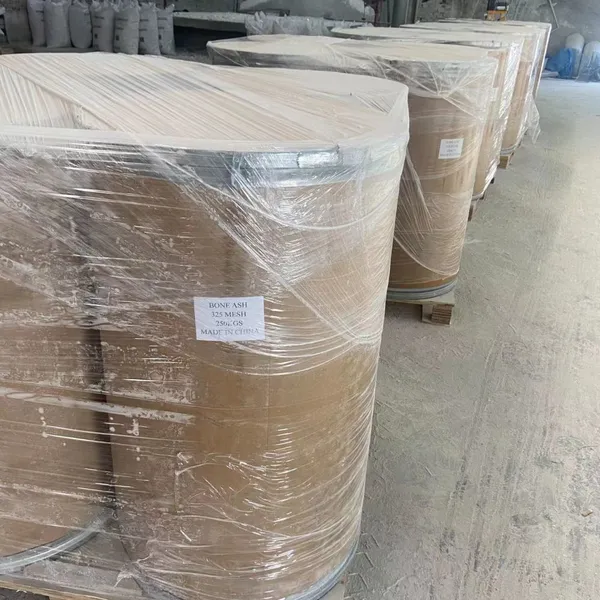
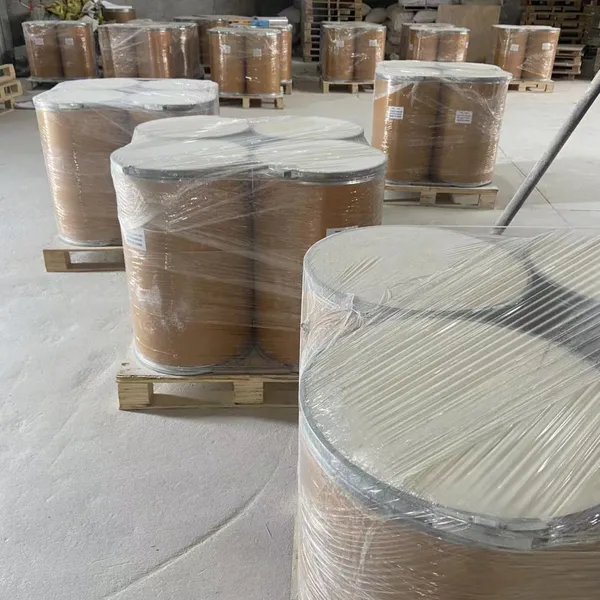
Every batch is tested in our laboratory for calcium, phosphorus, iron, burning loss, pH, and color. A COA is generated for each batch. Material is then packaged in moisture-resistant industrial bags suitable for domestic transport or export shipment.
You can learn more about our full production approach on our bone ash production process page.
Common Quality Problems and How to Avoid Them
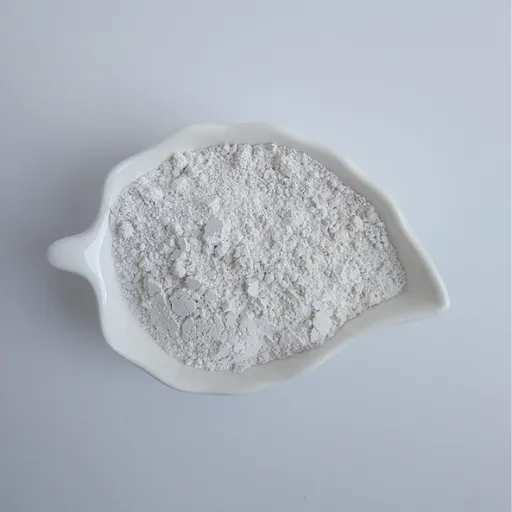
Even experienced buyers encounter problems with bone ash quality. Knowing the warning signs helps you reject bad material before it reaches your kiln.
Problem 1: Batch-to-Batch Variation
Symptoms include changing shrinkage rates, variable translucency, and unexpected glaze defects. The root cause is usually inconsistent raw material sourcing or lack of process control.
Prevention: Work with a manufacturer that owns its production facility and tests every batch. Trading companies that source from multiple workshops cannot guarantee consistency.
Problem 2: High Iron Content
Iron above 0.05% causes gray or brown discoloration, especially in thin, translucent ware. It also reacts with certain glaze compositions to create speckles.
Prevention: Specify iron content in your purchase order and verify it on the COA. Request samples from multiple batches to confirm consistency.
Problem 3: Incomplete Calcination
High burning loss indicates residual organic material. This can cause black coring, unpleasant odors during firing, and reduced whiteness.
Prevention: Look for burning loss ≤1.0% and ask about calcination temperature. Material calcined below 1200°C may retain organic residues.
Problem 4: Wrong Mesh Size for the Application
Using 325 mesh for ultra-thin ware can limit translucency. Using 400 mesh in a process not designed for fine powder can increase water demand and cause slip defects.
Prevention: Test both grades in your formulation before committing to bulk supply. Start with a 1 kg sample and scale only after successful trials.
Facing batch-to-batch quality issues? Contact our technical team to review your specifications and see how Feilong's controlled process can stabilize your supply.
Sourcing Bone Ash for Ceramics: What to Ask Suppliers
When evaluating a ceramic bone ash supplier, the right questions reveal whether they are a manufacturing partner or simply a middleman. Use this checklist during your qualification process.
1. Do You Own Your Production Facility?
Vertically integrated manufacturers control raw material selection, calcination temperature, grinding, and testing. This control translates to consistent chemistry and reliable supply capacity.
2. Can You Provide COAs for Multiple Batches?
A single COA can be cherry-picked. Reviewing five to ten consecutive COAs shows whether the supplier truly holds specifications within tight ranges.
3. What Is Your Calcination Temperature?
Ceramic-grade bone ash should be calcined at 1200-1300°C. Lower temperatures may leave organic residues. Ask for process documentation rather than accepting vague claims.
4. What Mesh Sizes Do You Offer?
Confirm availability of 325 mesh and 400 mesh grades. Ask whether the supplier can produce custom particle sizes for specialized formulations.
5. What Is Your Minimum Order Quantity?
For testing, request sample quantities starting from 1 kg. For production, standard bulk MOQs are typically 1 metric ton. Confirm packaging options for export.
6. What Export Markets Do You Serve?
Suppliers with established export experience understand international shipping documentation, customs requirements for animal-derived materials, and packaging standards.
Thomas Bergmann, a buyer for a German ceramics distributor, learned this lesson during a 2022 supplier search. One supplier offered an attractive price but could not provide export-grade packaging or a stable COA format. Delays and customs questions cost him more than the price difference. He eventually partnered with a manufacturer that had direct export experience to Europe and provided consistent documentation.
Red Flags to Avoid
Prices far below market without clear explanation
Refusal to provide batch COAs or sample material
Vague answers about calcination temperature or raw material source
Inability to explain particle-size distribution
No track record in export markets
Conclusion
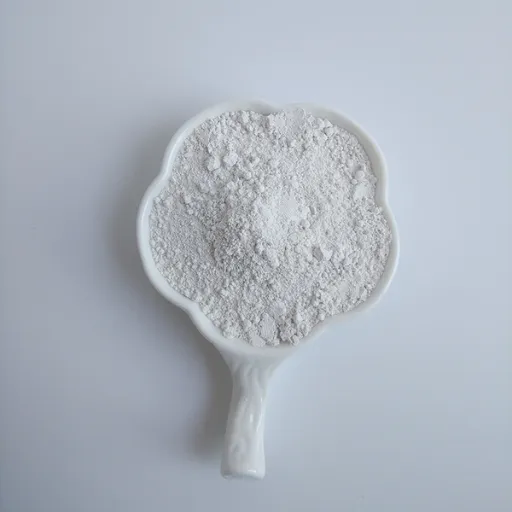
Bone ash for ceramics is not a commodity. The calcium and phosphorus content, mesh size, calcination temperature, and supplier process control all determine whether your bone china production runs smoothly or struggles with defects.
Key takeaways:
Specify ceramic-grade bone ash with Ca ≥35.0%, P ≥16.0%, Fe ≤0.05%, and burning loss ≤1.0%
Choose 325 mesh for standard bone china and 400 mesh for high-translucency, thin-walled ware
Verify calcination temperature of 1200-1300°C to ensure complete organic removal
Review multiple batch COAs before selecting a supplier
Partner with a vertically integrated manufacturer that owns its production facility
At Luohe Feilong Bone Carbon Co., Ltd., we have manufactured bone ash and related bone products for over 20 years. Our 1300°C calcination process, 325 mesh and 400 mesh bone ash powder grades, and batch-to-batch quality control give ceramic manufacturers the raw material confidence they need.
Ready to qualify a new bone ash supplier? Request a free sample with full COA or get a bulk FOB quote for your next production run.
Recently Posted
-
High Purity Bone Ash: Specifications, Benefits, and Ceramic Applications
July 1, 2026A procurement manager at a bone china factory in Germany once rejected three container loads of bone ash because the iron content Read More
 -
Bone Ash for Ceramic Production: Specifications, Benefits, and Sourcing
July 1, 2026Maria Chen, a procurement manager at a mid-sized bone china factory in Vietnam, still remembers the shipment that nearly shut down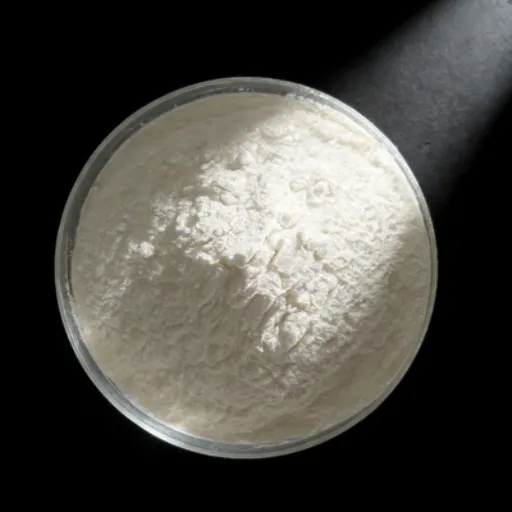 Read More
 -
Bone Ash Wholesale 2026: Volume Pricing and Sourcing Guide
July 1, 2026In March 2026, a ceramics buyer in Poland placed what she thought was a straightforward order: 25 metric tons of 325 mesh bone ash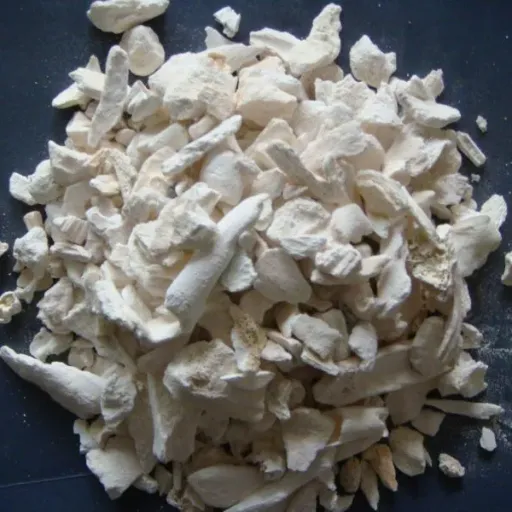 Read More
 -
Bone Ash Price Per Ton 2026: A Procurement Manager's Guide
July 1, 2026Maria Chen, a procurement manager at a mid-sized ceramics factory in Vietnam, received three quotes for 20 metric tons of ceramic- Read More

Contact Us
Recommended Products
-
 Manufacturer Sell Low Price Calcined Bone Ash or PowderUS$ 850MOQ: 5 Tons
 -
Manufacturer Sell Low Price Calcined Bone Ash or PowderUS$ 850MOQ: 5 Tons
-
Manufacturer Sell Low Price Calcined Bone Ash or PowderUS$ 850MOQ: 5 Tons
-
Sell Well Bone Ash for Mold Releasing UseUS$ 880 - 920MOQ: 5 Tons
-
Feilong Direct Sales Die-casting Water-soluble Mold Metal Release AgentUS$ 920MOQ: 5 Tons
-
Natural Animal Bone AshUS$ 880 - 920MOQ: 5 Tons
-
China Manufacturer Supply Eco-Friendly Bone Ash PowderUS$ 890MOQ: 1 Ton
-
Calcined Bone Ash for Bone China With GoodPriceUS$ 880 - 920MOQ: 5 Tons
-
Synthetic Bone Ash for Ceramic With Good PriceUS$ 850MOQ: 5 Tons
-
Calcium and Phosphorus Powder - 325 MeshPowderUS$ 850MOQ: 5 Tons
-
Calcium and Phosphorus Powder - 325 MeshPowderUS$ 850MOQ: 5 Tons
-
Calcium Stearate PVC PE Lubricant Mould-releasing Powder ManufacturerUS$ 850MOQ: 5 Tons
-
Reputed Supplier Selling Bone Ash Powder Which Meet With Environmental Standard As Animal FeedstuffUS$ 850MOQ: 5 Tons
-
Industrial Grade Bone Ash for Bone Ceramics and MetallurgyUS$ 900MOQ: 10 Tons
-
Animal Ashes Used for Bone ChinaUS$ 900MOQ: 5 Tons
-
Calcium and Phosphorus Powder - 325 MeshPowderUS$ 850MOQ: 5 Tons
-
High Quality Bone Ash for Mold Releasing Use/bone Ash PowderUS$ 850 - 880MOQ: 5 Tons
-
Manufacturer Sell Low Price Calcined Bone Ash or PowderUS$ 850MOQ: 5 Tons
-
Calcined Bone Ash for Bone China With GoodPriceUS$ 880MOQ: 5 Tons
-
High Quality Bone Ash for Mold Releasing Use/bone Ash PowderUS$ 880 - 920MOQ: 5 Tons